Welcome to UNIST<br>International Affairs Team

Welcome to UNIST
International Affairs Team

/

News

Research

Study Reveals Why Perovskite Performance Changes Across Solar Cell Designs

Abstract A perovskite precursor solution that delivers power conversion efficiencies (PCEs) exceeding 26% in conventional nip solar cells exhibits severe performance losses when directly applied to inverted pin architectures, revealing that high-efficiency compositions are not inherently transferable. Here, we identify a buried-interface crystallization mismatch, arising from the distinct physicochemical natures of inorganic SnO2 electron-transporting layers and organic self-assembled hole-transporting monolayers (SA-HTLs), as the origin of this divergence. The methylammonium chloride (MACl)-associated intermediate phase, MA2Pb3I8·2DMSO, persists and decomposes with strong underlayer dependence, stabilizing beneficially on SnO2 but impeding crystallization on SA-HTLs. To overcome this limitation, we develop a chloride-origin engineering strategy that decouples chloride functionality from volatile organic ammonium species by incorporating low-solubility lead chloride (PbCl2) with strong Pb–Cl coordination. This enables controlled interfacial desolvation and nucleation on SA-HTLs, suppresses buried defects, and establishes buried-interface crystallization control as a design principle for architecture-convergent, high-efficiency perovskite solar cells. Building a high-performance solar cell takes more than getting the materials right. The same ingredients can produce very different results when the layers are arranged differently—and researchers at UNIST have discovered why. Led by Distinguished Professor Sang Il Seok of the School of Energy and Chemical Engineering at UNIST, the team found that the surface beneath the light-absorbing perovskite layer can determine how well its crystals form. By tailoring the material chemistry to that surface, the researchers developed an inverted perovskite solar cell with a power conversion efficiency of 26.3% and improved stability. PSCs can be built in conventional nip or inverted pin configurations. Both have reached high efficiencies, but formulations optimized for one do not necessarily perform as well in the other. Inverted cells are particularly important for perovskite–silicon tandem solar cells, where they are commonly used as the top cell. The researchers found that this performance gap originates at the buried interface, where the perovskite layer forms on the material beneath it. A formulation that achieved efficiencies above 26% in conventional cells lost much of its performance when transferred directly to an inverted design. The difference came down in part to methylammonium chloride (MACl), an additive used to improve perovskite crystal growth. In conventional cells, an intermediate formed by MACl supports crystallization on the underlying inorganic layer. But on the organic layer used in inverted cells, the intermediate persists longer, disrupting crystal growth and leaving behind voids and defects that can lead to electrical losses. Rather than removing chloride, the team changed how it was introduced. The researchers reduced the amount of MACl and added a small amount of lead chloride (PbCl2), whose stronger interaction with chloride helped control where and when crystals began to form. This produced a cleaner buried interface with fewer defects. With the revised formulation, the inverted cells reached a peak efficiency of 26.3% and a fill factor of up to 86.8%, while also showing improved stability. The results demonstrate that controlling how perovskite crystals form at the underlying surface can help high-performance materials work across different solar-cell designs. “High-efficiency formulations developed for conventional PSCs do not necessarily behave the same way in inverted devices,” said Professor Seok. “By identifying the origin of this performance loss, we established a way to control crystal formation at the buried interface. The findings provide a design direction for developing efficient inverted cells for high-performance perovskite–silicon tandem solar cells.” Their findings have been published online in Joule on July 28, 2026. The study was supported by the National Research Foundation of Korea (NRF). Journal Reference Jongbeom Kim, Nahye Shin, Chaehoon Jeon, et al ., “Buried-interface crystallization limits the transferability of high-efficiency perovskite precursor compositions,” Joule ,(2026).

Study Reveals Why Perovskite Performance Changes Across Solar Cell Designs

Research

New Study Reveals How Nearby Fat Cells Help Breast Cancer Resist Treatment

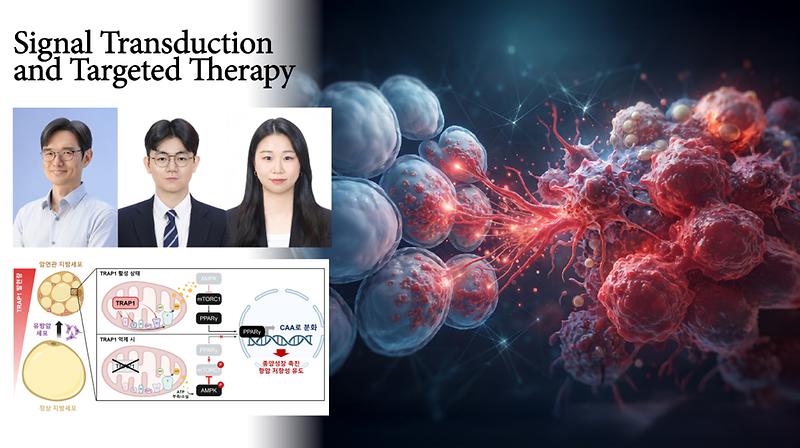
Abstract Adipocytes are essential stromal components of the tumor microenvironment (TME) in breast cancer that play pivotal roles in cancer progression and chemoresistance. In close proximity to tumor cells, they undergo phenotypic reprogramming into cancer-associated adipocytes (CAAs), characterized by multilocular lipid droplets, increased mitochondrial content, and elevated expression of uncoupling protein 1 (UCP1). Although these features superficially resemble those of beige adipocytes, they do not recapitulate classical thermogenic programming, reflecting a unique metabolic adaptation driven by the TME. Here, we identified tumor necrosis factor receptor-associated protein 1 (TRAP1), a mitochondrial paralog of HSP90, as a central regulator of the transition of adipocytes into CAAs. TRAP1 was highly upregulated in CAAs and was required to drive a tumor-associated adipocyte secretory program, including the adipokine complement factor D (CFD). Genetic and pharmacological TRAP1 inhibition destabilized the mitochondrial electron transport chain, reduced cellular respiration, and activated the energy sensor AMPK. This subsequently suppressed mTOR and PPARγ signaling, effectively abrogating adipocyte reprogramming and diminishing pro-tumorigenic adipokine secretion. Crucially, this CAA-secreted CFD promoted cancer cell survival and chemoresistance via C3aR-AKT/ERK signaling, and blocking this TRAP1-mediated crosstalk profoundly sensitized breast tumors to chemotherapy in vivo. Collectively, these findings identify TRAP1 as a master regulator of adipocyte transdifferentiation within the TME, offering a novel strategy to restrict tumor growth and overcome drug resistance in breast cancer. Breast tumors can reshape the fat cells around them, creating an environment that helps cancer cells survive and resist chemotherapy. Researchers at UNIST and the National Cancer Center (NCC) have identified a mitochondrial protein that helps drive this transformation—and shown in mice that blocking it can make tumors more responsive to treatment. Led by Professor Byoung Heon Kang of the Department of Biological Sciences at UNIST and Professor Sun-Young Kong of NCC, the team found that TRAP1 plays a key role in converting normal fat cells into cancer-associated adipocytes (CAAs). These altered cell release factors that support tumor growth and protect cancer cells from chemotherapy. The researchers found that TRAP1 sustains mitochondrial energy production in fat cells, keeping the mTOR–PPARγ pathway active and allowing them to acquire cancer-supporting properties. Blocking TRAP1 disrupts mitochondrial function and activates AMPK, an energy sensor that suppresses this transformation. In tissue samples from 31 patients with breast cancer, TRAP1 expression in fat surrounding tumors was 3.03 times higher than in normal adipose tissue. The team also identified complement factor D (CFD) as an important link between the altered fat cells and cancer cells. CAAs secrete CFD, which activates survival signals in breast cancer cells and makes them less susceptible to chemotherapy. Blocking this TRAP1-driven communication reduced that protective effect. In mice, genetically removing TRAP1 suppressed the transformation of adipocytes and reduced tumor weight by as much as 56% compared with controls. Drug-based inhibition produced similar results: combining the TRAP1 inhibitor gamitrinib with cisplatin reduced tumor weight by 76% compared with untreated mice. Another inhibitor, SB-U015, also enhanced the effects of cisplatin and paclitaxel without evident toxicity in the experimental models. “Our study shows how adipocytes surrounding breast tumors can contribute to chemotherapy resistance,” said Professor Kong. “Further studies are needed to evaluate the clinical potential of TRAP1 inhibitors, not only for patients who respond poorly to existing treatments but also for cancers that develop in close contact with adipose tissue, including ovarian, pancreatic, and prostate cancers.” Professor Kang added, “These findings suggest that the cells surrounding a tumor can be important therapeutic targets alongside the cancer cells themselves. By disrupting the metabolic changes in nearby adipocytes, we may be able to improve the effectiveness of existing anticancer drugs.” Professor Kang has transferred the technology arising from the research to SmartinBio, a UNIST faculty startup, where further development of anticancer drug candidates is underway. The study was co-first authored by Dr. Nam Gu Yoon and Dr. So-Yeon Kim of UNIST and published online in Signal Transduction and Targeted Therapy (STTT) on July 28, 2026. The research was supported by the National Research Foundation of Korea (NRF), the National Cancer Center, and the Korea Drug Development Fund (KDDF). Journal Reference Nam Gu Yoon, So-Yeon Kim, So-Youn Jung, et al ., “The pro-tumorigenic functions of cancer-associated adipocytes are dependent on the mitochondrial chaperone tumor necrosis factor receptor-associated protein 1,” STTT., (2026).

New Study Reveals How Nearby Fat Cells Help Breast Cancer Resist Treatment

Research

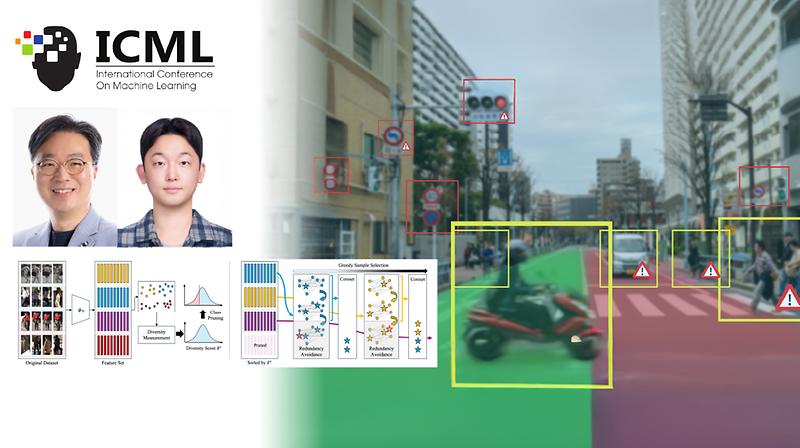
New Framework Reduces Data Needed to Train Re-Identification AI

Abstract Coreset Selection (CS) aims to extract a small yet representative subset from a large dataset, reducing the complexity of model training. Although CS has been primarily investigated for classification tasks, it is still underexplored for object Re-identification (ReID). In this paper, we first formulate Coreset Selection for Object Re-identification (CSOR) as a joint optimization problem to find both the optimal coreset and the optimal class subset. We identify intra-class diversity as a key factor for effective coreset construction for ReID. Based on this insight, we propose a novel two-stage framework, consisting of Diversity-driven Class Pruning (DCP) and Coverage-Prioritized Sampling (CPS), to address the unique challenges of ReID datasets. First, classes with low feature diversity are pruned to allocate the storage budget to the remaining informative classes. Then, samples are greedily selected in an easy-to-hard class order to maximize feature coverage within each class. Extensive experiments on three person ReID datasets and one vehicle ReID dataset demonstrate that our method consistently outperforms existing CS approaches, establishing a new state-of-the-art in CSOR. Video datasets used to train re-identification systems often contain near-duplicate images. The same person or vehicle may appear across many consecutive frames with little change, increasing storage and computing demands without adding equally useful information. Led by Professor Jae-Young Sim in the UNIST Graduate School of Artificial Intelligence, the research team has developed a method that filters out much of this redundancy, while preserving the visual diversity needed for training. The method, called Coreset Selection for Object Re-identification (CSOR), selects a compact set of representative images from a much larger dataset. Object re-identification (ReID) enables AI systems to match the same person or vehicle across different camera views. Unlike image classification, ReID models must distinguish identities they have never encountered during training. This makes conventional coreset methods—which were developed largely for classification—difficult to apply directly. “Re-identification models must distinguish entirely new people or vehicles that were not included in the training data,” said first author Minyoung Oh, a researcher at UNIST. “We began with this distinction and redesigned the selection criteria around the specific demands of ReID.” The researchers formulated CSOR as a joint optimization problem that determines both which identity classes and which images to retain. Their analysis identified diversity within each class—the range of appearances captured for the same person or vehicle—as a key factor in building an effective training subset. CSOR follows a two-stage process. Diversity-driven Class Pruning (DCP) first removes identity classes with little feature variation, preserving more of the storage budget for classes with richer information. Coverage-Prioritized Sampling (CPS) then selects images from the remaining classes, giving priority to those that capture the broader range of features. The team evaluated CSOR on three person and one vehicle ReID datasets. The method consistently outperformed the CS approaches used for comparison. Models trained on approximately half of the original data retained more than 95% of the performance achieved using the full dataset. “ReID datasets are commonly built from video, so duplicate images accumulate quickly as the same person or vehicle appears across consecutive frames,” said Professor Sim. “CSOR removes much of this repetition while retaining the diversity needed for ReID. It could make training and deployment more practical on edge devices with limited storage and computing resources.” Their findings were accepted for presentation at the 2026 International Conference on Machine Learning (ICML), held at COEX in Seoul in July 2026. The study was supported by the National Research Foundation of Korea (NRF) and the Institute for Information & Communications Technology Planning & Evaluation (IITP), with funding from the Ministry of Science and ICT (MSIT). Support was provided through the Mid-Career Researcher Program, the AI Graduate School Program, the AI Star Fellowship Program, and an initiative for training in industrially integrated multimodal generative AI. Journal Reference Minyoung Oh and Jae-Young Sim, "CSOR: Coreset Selection for Object Re-identification via Class Pruning," ICML '26 , (2026).

New Framework Reduces Data Needed to Train Re-Identification AI

News

UNIST to Launch College of AI Convergence

UNIST will launch its College of AI Convergence (name tentative) in September 2026, bringing education in computing, engineering, AI, and design into a single academic structure shaped by real-world industrial problems. On July 11, the UNIST Board of Directors approved the reorganization of the College of Information and Biotechnology on August 11, 2026. The new structure will apply to undergraduates entering in 2027. The college will encompass six majors, which includes Electrical Engineering, Computer Science and Engineering, Artificial Intelligence, Industrial Engineering, Biomedical Engineering, and Human-Centered Design Engineering. It will also introduce eight interdisciplinary pathways that apply AI to fields, including shipbuilding and maritime engineering, aerospace, defense, materials, semiconductors, and health care. Rather than remain within a single department, students will be able to combine coursework across fields and shape their studies around particular technologies, industries, or career goals. Industry Inspired Learning (IIL) will be a central part of the curriculum. Through the program, companies and research institutes will provide problems and data drawn from their work. Students will examine these challenges with faculty and industry specialists, applying what they learn in class to develop possible solutions. Promising projects may continue as graduate research and, where appropriate, move toward use in industrial settings—an approach UNIST calls Lab-to-Factory. This creates a direct path from undergraduate coursework to advanced research and practical application without treating them as separate stages. The reorganization responds to growing demand for AI expertise in major industries across Southeast Korea. To support the expansion, UNIST will admit an additional 100 undergraduate and 100 graduate students with government funding beginning in 2027. “The College of AI Convergence will take real problems from industry as the starting point for teaching and research, then work to turn the resulting solutions into new technologies,” said UNIST President Chong Rae Park. “By bringing UNIST’s research strengths together with expertise from key industries, we aim to prepare graduates who can lead the practical adoption of AI.”

UNIST to Launch College of AI Convergence

News

UNIST to Advance AI Transformation in Maritime Defense

UNIST will serve as a hub for collaboration on defense AI, bringing together military, industry, and academic partners as Korea expands the use of artificial intelligence (AI) across its armed forces. The Graduate School of Artificial Intelligence (AIGS) at UNIST has been selected to lead the Busan center supporting AI development for the Republic of Korea Navy (ROKN) and Marine Corps (ROKMC). The center is part of the Defense AI Talent Development Program, led by the Ministry of National Defense and the Institute of Information & Communications Technology Planning & Evaluation (IITP). The initiative will establish five centers across Korea for joint research using defense data—Yongsan for the Joint Chiefs of Staff (JCS), Yangjae for the ROK Air Force, Pangyo and Daejeon for the ROK Army, and Busan for the ROKN and ROKMC. UNIST, KAIST, Korea University, Seoul National University, and Ajou University will lead the respective centers through 2030. Based in Centum City, the Busan center will develop AI technologies around the operational needs of the Navy and Marine Corps. UNIST researchers will work with military partners, local governments, and defense companies, connecting AI research with the region's maritime and defense industries. Three projects are planned for the first year, including an AI system for military logistics and inventory management; a retrieval-augmented generation (RAG) large language model for military doctrine, manuals, guidelines, and legal cases—as well as Ender's Foundry , a platform for developing AI-based decision-support capabilities for the ROKN. The technologies will be tested and validated in military environments. Jae-Young Sim, Dean of UNIST AIGS, will lead the project. Ten UNIST faculty members will work across five areas: reliable detection, LLMs and ontology, situational analysis and decision-making, safe and trustworthy AI, and on-device AI and hardware technologies. The teams pair Professors Jae-Young Sim and Seungjoon Yang in reliable detection, Professors Youngsoo Jang and Yeon-Chang Lee in LLMs and ontology, Professors Seungyul Han and Hyungho Na in situational analysis and decision-making, Professors Sung Whan Yoon and Saerom Park in safe and trustworthy AI, and Professors Taesik Gong and Gangil Byun in on-device AI and hardware technologies. Defense AI companies will also be invited to join the Busan center as R&D partners, alongside training programs focused on problems drawn from military needs. “It is meaningful to have an opportunity to apply our AI research to strengthening defense capabilities,” said Professor Sung Whan Yoon, who will oversee the project's implementation. “We will carry out the project with a strong sense of responsibility.” “Developing AI technologies that meet the needs of the Navy and Marine Corps, and validating them in military settings, is an opportunity to extend UNIST's research capabilities into defense,” said Professor Sim. “By connecting this work with the maritime industrial base of Busan and Gyeongnam, we aim to strengthen the region’s role in defense AI.”

UNIST to Advance AI Transformation in Maritime Defense
UNIQUE UNISTAR